
M S Ray
 0 comment
 20 Oct, 2026
When a person repeatedly does something in a particular way, it becomes a habit. When that behaviour is shared, accepted and practised across a group, it becomes a norm. Over time, these shared habits, values and expectations become the group’s culture—“the way we do things here.” Culture also shapes what people encourage, tolerate, reward and pass on to others.
An organizational quality culture exists when taking responsibility, checking one’s own work, openly acknowledging mistakes, helping colleagues and continually improving become everyone’s normal way of working—even without reminders or supervision. Leadership strengthens this culture through its own example and the behaviour it consistently encourages and recognizes.
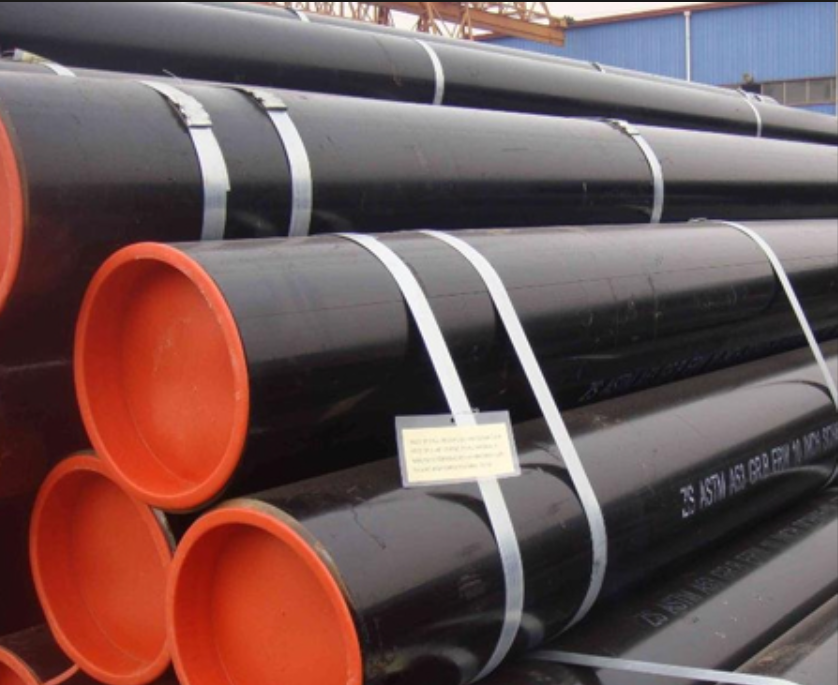
Years ago, we were entrusted with an inspection assignment for a client in Kuwait involving a substantial order of pipes from three manufacturing locations in different countries. One manufacturer was Sumitomo in Japan. I will leave the other two unnamed, because the purpose of this example is to share a leadership lesson.
The client urgently needed the pipes. Sumitomo’s proposed delivery period was longer, while the other two manufacturers accepted more aggressive schedules at premium prices. What followed demonstrated how differently organizations respond when commercial pressure tests their commitments.
One manufacturer experienced frequent machinery breakdowns and failed to meet its delivery commitments. Delays led to liquidated damages and, ultimately, exclusion from future business with the client. An attractive promise had exceeded the organization’s ability to deliver reliably.
The second manufacturer largely met the delivery schedule by agreeing with the buyer to ship under what was described as a “positive recall” arrangement, while sulphide stress cracking (SSC) testing remained in progress. SSC testing evaluates susceptibility to cracking under tensile stress in a hydrogen sulphide-containing environment—a critical consideration for pipes intended for sour service. In this assignment, the specified exposure period was 720 hours, or 30 days, in addition to preparation and associated activities.
The reasoning was commercially understandable: testing could continue while the pipes travelled to Kuwait. By the time the shipment arrived, the results would also be available, potentially saving approximately a month. The manufacturer was confident that the material would pass, and the buyer accepted the arrangement. Nevertheless, a significant residual risk remained: what would happen if the test failed after approximately 2,000 metric tonnes of finished pipes had already been shipped?
Sumitomo took a different position. Despite its confidence in its materials and manufacturing capability, it politely declined to ship before all required tests were completed. As explained to us at the time, its release system would not permit conformity certificates to be issued while required verification remained outstanding. Without those certificates, the pipes could not leave the plant.
If the customer wished to change the testing obligation, Sumitomo explained that the contractual requirements and letter of credit would need to be formally amended. Testing of the plates used to manufacture the pipes could then be addressed separately, subject to agreement. The distinction was clear: a requirement had to be fulfilled or formally changed through the proper process. Confidence alone could not substitute for completed verification.
Interestingly, Sumitomo subsequently delivered slightly ahead of its committed schedule following the customer’s special request, through improved production and shipment planning. It responded to urgency by improving execution while maintaining its release discipline.
For me, this was organizational quality culture made visible. It appeared in a decision taken under pressure, supported by a system that reinforced the organization’s stated principles. The lesson concerns the practices of these particular organizations; it should not be treated as a judgment about every manufacturer in their respective countries.
Leadership creates this culture when it gives people both the responsibility and the backing to uphold requirements, including when doing so is commercially uncomfortable. Employees quickly understand whether “quality first” remains true when a major customer asks for an exception.
An auditor can examine this objectively. Select an urgent order and trace the customer’s request, outstanding tests, release authorization, conformity certificate and actual dispatch date. Ask production, quality and shipping personnel what happens when delivery pressure conflicts with incomplete verification. Examine any concessions or contractual amendments and confirm that they were properly authorized and permissible. Then compare their accounts with what actually happened.
The evidence lies in the consistency between declared principles, system controls and everyday decisions. Quality culture becomes credible when people uphold it under pressure—and leadership helps them find a better way to deliver.
Incidentally I was the person at all the three providers representing the client
M S Ray
Principle Surveyor & Chief Engineer
TCB Cert.Worldwide Group
We are looking for professional organizations for joining in our extended global network in your home country. Organizations which is a legal entity meeting our criteria are the ideal ones to join our network. We will honor mutual agreements for training services and want the services be undertaken with utmost professional integrity and due diligence to create value for our customers

M S Ray
Managing Director and Founder of TCB Cert. Worldwide Group
0 comment